
Summary
Can solar panels produce energy during severe weather events in Burbank? Here's how extreme heat, flooding and wildfires can affect your panels.
Key takeaways:
- Solar panels are extremely valuable when the power goes out, but you should shut them off if your home is flooding or in the path of a wildfire.
- Keeping up with solar maintenance ensures your panels are ready to serve as a backup power source in an emergency.
- Solar Service Professionals can help ensure your panels are ready to withstand extreme weather.
Are you prepared for a severe weather event? We’re talking about extreme heat alerts, wildfires, or flooding. These can happen in Burbank, CA, and it’s important to know what to expect from your solar panels in these scenarios.
Flooding in Burbank: Can Your Panels Still Produce Power?
It depends on how flooding is affecting your property. Flooding can submerge components of the local grid, causing a widespread outage. As long as your home isn’t affected, your solar panels can keep powering essential appliances and systems while utility workers fix the outage. You can also support the grid through net metering if you produce enough power.
However, operating your solar system while your property is flooded is unsafe and could damage your electrical equipment. The safest thing to do is turn off the power completely (as long as you can access your breaker box without standing in water). If you can’t safely access your panel, you should call Burbank Water and Power’s emergency line at 818-238-3778 to have the utility shut off your power at the meter.
Producing Solar Energy During Wildfires
There is a high risk of wildfires in Burbank. If your home is an at-risk zone, you should evacuate and turn off all electrical systems as you leave.
If surrounding communities are affected, but it’s safe to stay in your Burbank home, your solar panels can become a valuable source of emergency power. The grid often becomes unstable during wildfires, and uploading excess energy back into the grid via a net metering program can help power emergency services.
If Burbank Water and Power shuts off power to protect utility lines during a wildfire, you can rely on your panels to power important circuits in your home. In this scenario, a home backup battery is a great investment that lets you store solar energy during the day and power a few essential appliances at night.
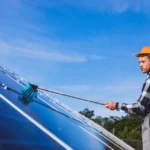
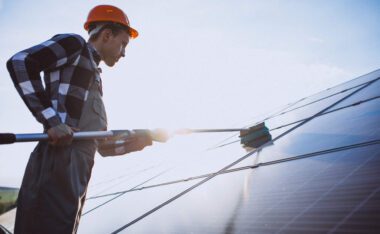
During wildfires, the air can become heavy with soot and debris. These particles will form a thick film on your solar panels, and you may have to clean your solar array to maintain optimal energy production.
Can Extreme Heat Affect Your Solar Panels?
Good sun exposure means your panels are producing plenty of electricity, but there is such a thing as too much heat.
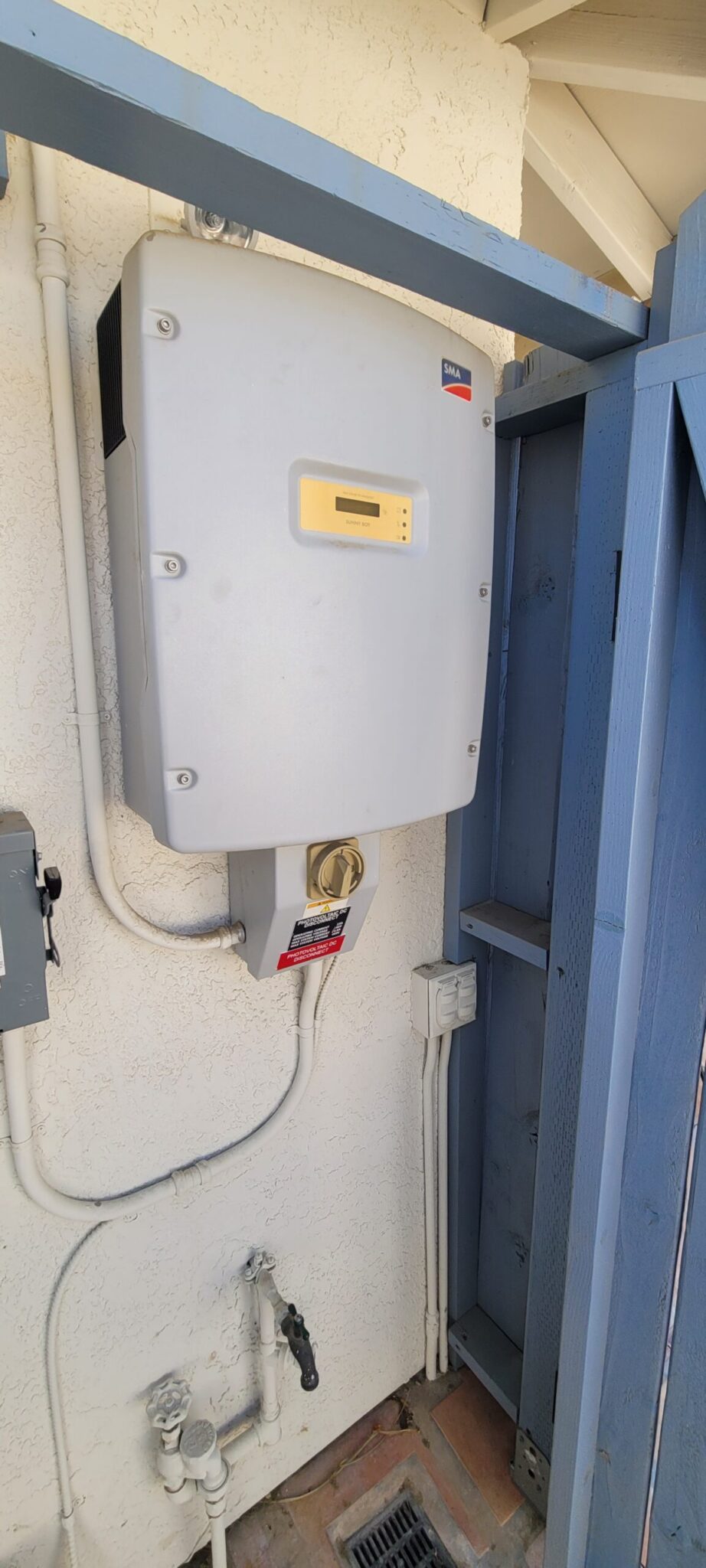
During heatwaves, the surface temperature of your panels can rise rapidly. Microcracks and hotspots can appear, and the heat can take a toll on the wiring and inverter. Ideally, you should have solar panels that meet UL 61730. These panels can safely operate at temperatures of up to 185°F and withstand a heatwave.
Solar energy is especially valuable during a heatwave because the grid becomes less efficient as temperatures rise. More power is lost in transit as utility lines get hot, and local homes and businesses need more power to stay cool. It’s a great time to participate in net metering if you have excess solar energy.
It’s a good idea to schedule regular solar panel inspections to make sure your system is ready for the next heatwave. Fixing microcracks and replacing old electrical components can prevent failures when temperatures climb.
Make Sure Your Solar Panels Can Handle Extreme Weather
Your solar panels can keep powering your home during an emergency. They can also generate valuable energy that you can share with the grid via net metering to help power essential services.
However, it’s important to know when not to operate your panels for your own safety. As a rule of thumb, if your home is directly affected by a severe weather event, it’s best to shut off all your electrical systems to prevent damage.
Solar Service Professionals can help you make sure your panels are ready to handle an emergency. We offer inspection and maintenance services to catch issues early and keep your panels in top shape.
Give us a call at 818-975-3909 to learn more about our solar services.
FAQ
Can my solar panels keep working during a flood in Burbank?
If flooding only affects the local grid, not your property, your solar panels can keep producing electricity and even feed excess energy back into the grid. However, if your property is flooded or electrical components are underwater, turn off all power immediately for safety. If it’s unsafe to reach your breaker, call Burbank Water and Power at 8182383778 to disconnect power.
If flooding only affects the local grid, not your property, your solar panels can keep producing electricity and even feed excess energy back into the grid. However, if your property is flooded or electrical components are underwater, turn off all power immediately for safety. If it’s unsafe to reach your breaker, call Burbank Water and Power at 8182383778 to disconnect power.
Do wildfires affect solar panel performance?
Yes, smoke and ash reduce sunlight and leave residue on panels, which lowers efficiency. Once it’s safe, gently clean your panels or schedule professional maintenance to restore full performance.
Yes, smoke and ash reduce sunlight and leave residue on panels, which lowers efficiency. Once it’s safe, gently clean your panels or schedule professional maintenance to restore full performance.
Can extreme heat damage solar panels?
High temperatures can stress solar components and wiring, especially during California heatwaves. Look for panels rated under UL61730, which ensures safe operation up to about 185°F. Routine maintenance can catch issues like microcracks or inverter wear before they worsen in the heat.
High temperatures can stress solar components and wiring, especially during California heatwaves. Look for panels rated under UL61730, which ensures safe operation up to about 185°F. Routine maintenance can catch issues like microcracks or inverter wear before they worsen in the heat.