
Summary
How much do you know about the coastal weather impact on solar panels? Here's how marine air can affect solar performance in Santa Monica.
Key takeaways:
- In Santa Monica, the nearby ocean can create a cloud cover that reduces solar output.
- Marine air can also corrode panels and degrade performance.
- We recommend maintaining solar panels to help limit moisture-related issues in Santa Monica.
If you live in Santa Monica, you’ve probably noticed how often fog and low clouds form in the early morning. This familiar haze is known as the marine layer and could affect your solar panels.
Here’s what you need to know about the coastal weather’s impact on solar panels.
Marine Layer and Solar Panel Performance
The marine layer is a cold, humid air mass that forms over the ocean before moving inland. When it reaches the coast, it creates low clouds and fog. Usually, the rising sun warms the air above the cloud or fog, quickly dissipating the haze.
However, the marine layer can linger during the cool winter months or during the spring (a phenomenon known as May Gray or June Gloom).
This cloud cover means your solar panels are getting less sunlight early in the day. It can make production look uneven throughout the day, and you’ll likely notice a seasonal drop in performance during the winter and spring.
Maine Air: Salt Deposits, Humidity, and Corrosion
A heavier cloud cover isn’t the only thing affecting solar performance along California’s southern coastline.
Marine air tends to be humid and carry saline spray, especially on days with high winds, which are common in the fall and winter.
This ambient humidity can affect your panels:
- Moisture will trap dust and other debris on your panels.
- It also leads to corrosion, especially on the metal mount supporting your panels and on the electrical components.
Salt is particularly problematic. It gets trapped on your panel surface by ambient moisture and hardens into a residue when the humidity dries out. Crystallized salt forms a hard layer that blocks sunlight, and it can corrode every component of your solar array.
To fight the effects of marine air, solar installers recommend panels certified under IEC 61701. These panels use special materials and coatings that are more resistant to corrosion from salt and humidity.
This standard was last updated in 2020. If your panels are older than that, you might not have enough protection against the marine air.
How to Care for Panels in Santa Monica
The first thing you should do is keep a close eye on performance. Does the electricity you produce make sense given the current cloud cover? Seeing slight fluctuations throughout the day or from one season to another is normal, but watch out for sudden dips that could indicate technical issues.
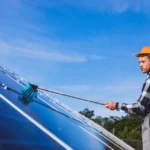
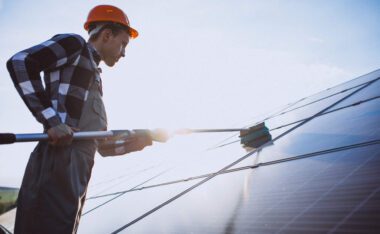
Next, keep up with solar panel cleaning. It’s the best way to prevent hard salt deposits from corroding your panels. While you can clean your panels yourself if you’re careful, it’s usually best to call a professional. They will use specialized products to remove salt deposits without damaging your panels.
You should also schedule regular inspections. Solar techs can take a look at your system and replace any components that are showing signs of corrosion before performance goes down.
Protect Your Panels From the Marine Air With Solar Service Professionals
Solar Service Professional is your local solar specialist in Santa Monica. From system repairs to routine maintenance, our goal is to keep your solar array in top condition and help you get more from your panels.
We can help with regular cleanings, replace corroded components, help you monitor energy production more accurately, and even create a solar maintenance plan for your Santa Monica home.
Give us a call at 818-975-3909 or get a free quote online if you need help with solar maintenance.
FAQ
How does coastal weather impact solar panels in Santa Monica?
Coastal weather brings frequent fog, low clouds, and humid air from the nearby ocean. This marine layer can limit sunlight reaching your solar panels, especially in the morning, and high humidity leads to corrosion over time. All these factors reduce your system’s efficiency and shorten its lifespan if you don’t maintain it.
What are common solar panel moisture issues in Santa Monica?
Moisture can trap dust and debris, creating a film that blocks sunlight. Over time, humidity also accelerates corrosion on metal mounts and electrical components. Salt mixed with moisture turns into hard deposits, further limiting exposure to sunlight for your panels.
How can I protect solar panels from corrosion caused by marine air?
Choose panels certified under IEC 61701, a standard for salt mist corrosion resistance. This certification means your panels use materials designed to withstand coastal conditions. You should also keep up with regular cleanings and inspections for your solar system.
When should I schedule a solar inspection in Santa Monica?
It’s a good idea to schedule a solar inspection at least once a year or anytime you notice an unexplained drop in performance. Professional inspections can reveal early signs of corrosion, wiring issues, or buildup from salt and moisture.