

Summary
From summer heat stress to winter moisture hassles, find out how the weather impacts your solar panel performance by season, and what to do about it.
Key takeaways:
- Summer weather can cause thermal stress and dust buildup that can block the sun.
- Fall brings leaves and debris that can get wedged in your setup.
- Winter weather can cause unwanted moisture buildup and water intrusion.
- Spring is the optimal time to test for damage and then rebound.
Different weather conditions can significantly impact solar performance. Just like your phone’s battery tends to drain faster on a hot day, solar panels love sunlight but struggle in harsh weather.
Each season affects the efficiency of your panels. Figuring this out helps you proactively identify problems, so your panels continue cranking out consistent energy.
Let’s dive into solar panel performance by season and why some TLC keps things humming.
How Summer Heat Affects Solar Panels
The optimal performance temperature for industry-standard panels is approximately 77°F (25°C); however, when they consistently exceed this point over a prolonged period, they can experience thermal stress.
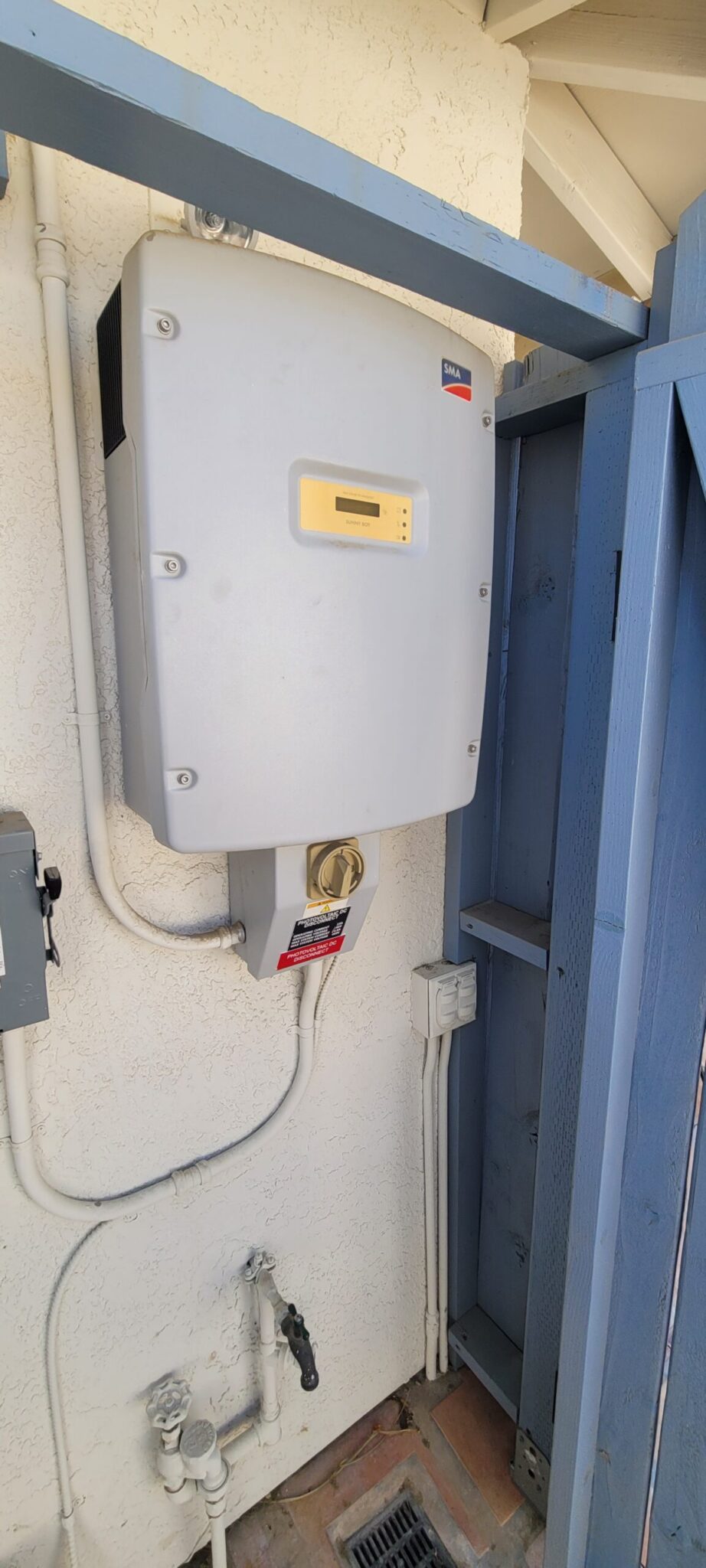
Heat stress can cause your inverter to shut down, wiring can become brittle and break, and your panels risk getting dusty from dry spells that kick up dirt and block them from receiving sunlight. A summer inspection helps maintain your seasonal solar efficiency by preventing thermal stress issues.
Fall Weather and Performance Risks
Fall’s crisp air and leaves can bring some trouble for solar setups. Windy days bring heavy gusts that can loosen mounts, stress wiring, and cause micro-cracks in the panels. As part of your seasonal solar panel maintenance, trim trees and bushes, clean the gutters, and ensure your panels are debris-free to maximize ventilation and provide consistent output.
Winter Rain and Moisture Concerns
Winter brings rain, snow, and sleet, making moisture the primary vulnerability of your solar panels. Water can sneak in around mounts and flashing (the seals that hold the panels in place), causing moisture that corrodes connections and fries electrical components over time.
Less sun does mean lower output, but your panels still capture diffuse light. The real solar system performance issues can arise from dings caused by hail or similar hazards, so schedule a post-storm inspection after a heavy storm.
Spring Recovery and Efficiency Rebound
Spring’s fresh start is the perfect time to shake the winter grime (i.e., bird droppings, dust, etc.) off your panels and see how well they perform since skies are clear and temperatures are moderate. Gunky residue lags your panel’s output even on sunny days, so it’s a priority to take care of that.
Restore your solar setup’s output by removing buildup or dust from the panels to mitigate winter damage. However, you’ll need expert solar inspection services to rectify more complex problems, such as water intrusion or loose wiring risks.
Signs Seasonal Weather Is Hurting Your System
Spotting the warning signs of solar system performance issues can spare you from a bunch of headaches later. Keep an eye out for these red flags:
- Energy production suddenly drops.
- Monitoring data is inconsistent.
- Flashing inverter warning lights or error codes.
- Visible buildup, corrosion, or panel discoloration.
If two or more of these signs pop up, don’t wait to call a solar professional.
Why Seasonal Maintenance Protects Your Investment
Solar system maintenance is like routine doctor checkups; they catch and prevent problems before they turn into emergencies. Solar panel maintenance helps clear debris, fix loose bits, and spot damage before the inverters fail or panels crack.
Seasonal maintenance also helps keep warranties intact since most require proof of upkeep to cover repairs. Additionally, helps extend the usable life of your system and reduces the risk of premature component failure, providing maximum savings and consistent, clean energy year-round.
Ready for a Checkup?
The weather can pack a punch, but your panels don’t have to bear the brunt. If your solar output varies with the seasons, it may be time for a professional checkup.
Contact Solar Service Professionals today to maintain your solar panel performance throughout the seasons and avoid expensive emergencies.
FAQ
How often should I clean my solar panels?
Rain often does most of the work, but you should clean them with a cloth (no harsh chemicals) at least every 3-6 months. If you’re not comfortable climbing on your roof, consider hiring a professional to handle it instead.
What happens if snow covers my panels?
Let it melt on its own, or gently use a foam roof rake or a soft broom to gently remove the snow. Check for any ice damage after it’s been thawed or brushed off.
Should I turn my panels off during a big storm?
Modern solar setups have built-in safeguards (like inverters shutting down safely), so you don’t have to turn them off during a storm. However, you should check your monitoring app after it’s passed for any errors.