
Summary
Experiencing problems with your solar panel inverter? Learn the common signs, causes, repair tips, and what to expect in terms of cost. Get expert help from SSP to keep your solar system running smoothly.
Key Takeaways:
- Your inverter is the heart of your solar system. If it stops working, your panels can’t supply usable electricity. Regular monitoring and quick responses to errors are essential.
- Common issues include error codes, low output, strange smells or noises, and silent monitoring apps. Many of these problems are symptoms of wear, overheating, or connectivity issues.
- Some fixes are DIY-friendly, but serious issues need a professional. If restarts, updates, or ventilation checks don’t solve the problem, SSP’s certified team can diagnose and repair your system safely.
Your solar panels might be soaking up the sun, but if your inverter isn’t working, none of that energy is making it into your home. No hot showers, no charged phone, no Netflix. Just sunlight going to waste.
That’s because your solar panel inverter is the real MVP of your solar setup. It converts the electricity your panels generate into something your home can use. So when it starts glitching, you’ll know, even if it’s just a subtle dip in performance or a weird silence from your monitoring app.
Let’s talk about how to spot inverter issues, what’s causing them, and what you can do before calling in the pros.
What Your Inverter Does
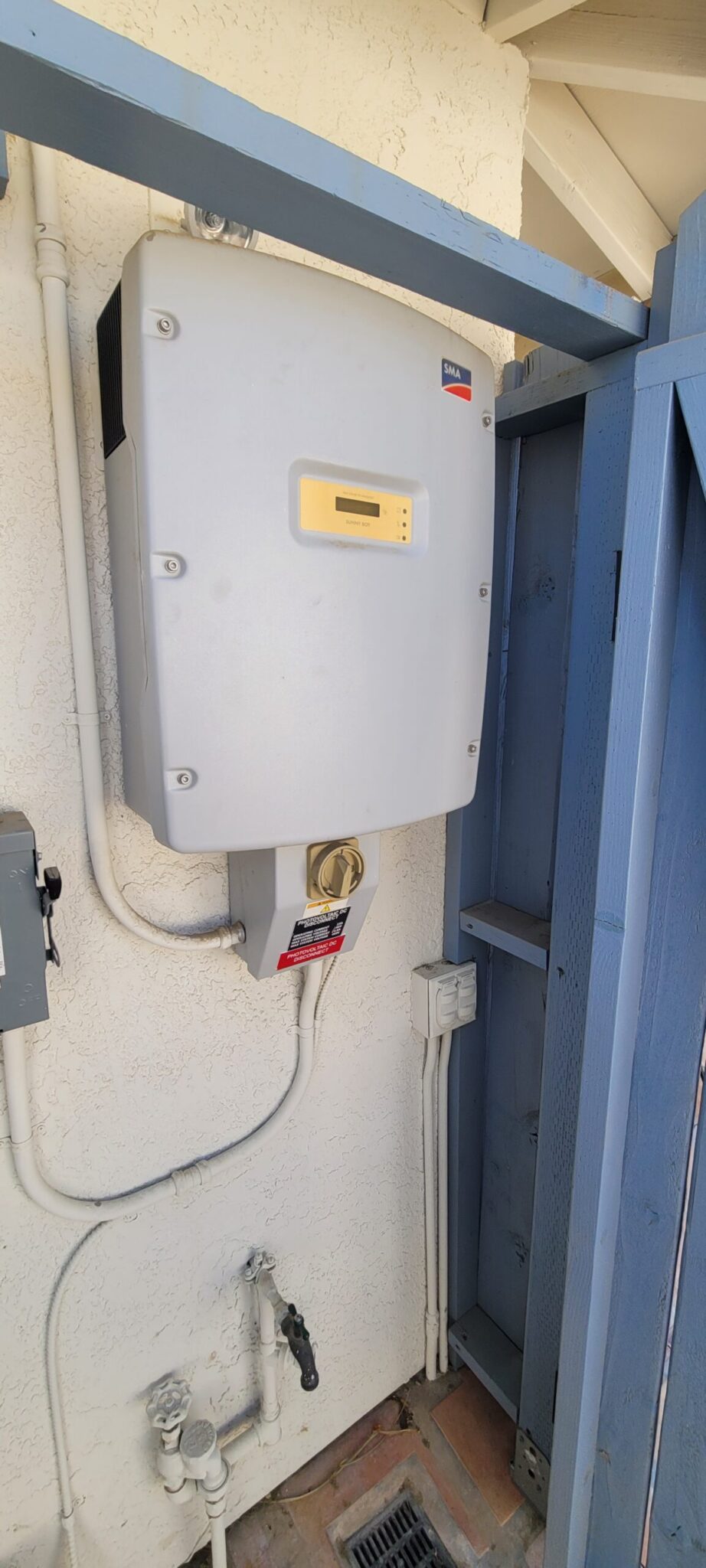
The inverter converts your solar panels’ direct current (DC) electricity into alternating (AC) electricity, which your home appliances run on.
Think of it like a translator. Without it, your solar panels might still collect energy, but none would be usable. That’s why a faulty inverter can dramatically affect your energy savings.
Common Inverter Problems (and How to Spot Them)
Here’s what to watch for if you suspect something’s wrong with your inverter:
1. Error Messages or Indicator Lights
Most inverters show a visible alert when something’s off, whether it’s flashing lights or a message on the display. These codes include software glitches, grid voltage issues, or internal component failures.
If the error clears after a restart, it could be a one-time hiccup. But if it keeps returning, it’s time to investigate further.
2. Reduced Solar Output
If your electricity bill suddenly goes up or your solar production drops—especially on sunny days—it could indicate a conversion problem. Use your solar monitoring app to check current output against previous performance. If it’s consistently underperforming, the inverter may be the issue.
3. Unusual Noises or Smells
A functioning inverter runs silently. So, if you hear buzzing or smell something like burnt plastic, turn it off immediately and call a technician. These symptoms could mean overheating or internal electrical damage.
4. Monitoring System Not Updating
If your monitoring app stops showing data, it might be a connection issue; or a sign that your inverter isn’t working. Either way, it’s worth checking your Wi-Fi setup and the inverter.
5. Frequent Shutdowns
Inverters are designed to shut down when something is wrong to protect your system. If yours keeps switching off without explanation, it could struggle with unstable grid voltage, high heat, or internal faults.
What Causes These Problems?
Like any electronic device, solar inverters are affected by:
- Age and wear: Most inverters last 10 to 15 years. Parts naturally degrade over time.
- Weather exposure: Heat, moisture, and dust can cause overheating or corrosion.
- Electrical faults: Loose wiring, ground faults, or grid instability can all interfere with inverter performance.
- Outdated firmware: Inverters rely on software to stay compatible with changing grid requirements.
- Improper ventilation: Without airflow, even a high-quality inverter can overheat.
What You Can Try Before Calling for Repairs
Some problems can be fixed quickly, especially if software glitches or internet issues cause them. Try these steps first:
Restart the Inverter
Just like a computer, sometimes a reset helps. Follow your manufacturer’s instructions to safely power it off, wait a few minutes, and restart it.
Check the Internet Connection
If you’re not seeing live data in your app, ensure your Wi-Fi is stable and the inverter is connected. After changing your router or settings, you should re-enter the network password.
Update the Firmware
Most major inverter brands offer software updates through their apps or websites. Keeping your firmware current can prevent bugs, improve performance, and avoid compatibility issues with your local utility grid.
Check for Dust or Blockages
Blocked vents can cause overheating. Make sure the inverter is clean and well-ventilated. Gently wipe the exterior with a dry cloth—don’t use water or chemicals.
When to Call a Professional
Some issues are too severe or dangerous to troubleshoot on your own. Call a qualified technician if you notice:
- Repeated or unresolvable error codes
- Microinverters showing individual panel failures
- Strange smells or visible damage
- Zero energy production during peak sun hours
- Shutdowns that won’t reset
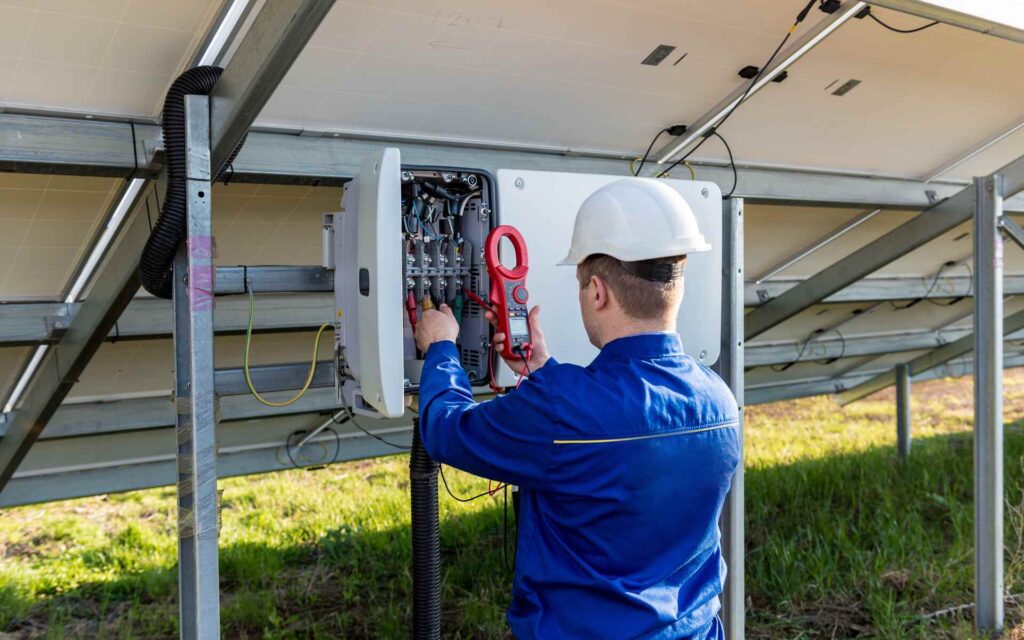
Our team can run a full diagnostic, safely access internal components, and restore your system’s performance with minimal downtime.
Inverter Repair vs. Replacement: What’s the Cost?
Repairs: Minor fixes like replacing a component, updating software, or tightening a connection usually cost between $200 and $600, depending on parts and labor.
Replacements: If your inverter is out of warranty or too damaged to repair, replacing it can cost $1,200–$2,500, depending on the system size, inverter type, and installation complexity.
What About Warranty Coverage?
Many inverter manufacturers offer warranties that cover hardware failures, defects, or performance issues for 5 to 25 years. The catch? Labor isn’t always included.
If your inverter is still under warranty, you may be eligible for a free replacement, even if you need to pay for the installation. We’ll help you check your warranty status and handle the claims process if needed.
Why Choose SSP for Inverter Repairs?
With Solar Service Professionals, you’re never left in the dark. Whether we installed your system or not, we’ll help you get back to full power quickly and affordably.
Contact us today for expert diagnostics and fast, reliable repair service.
Your solar inverter is one of the most important parts of your energy system; when it’s not working, your panels can’t do their job. Acting early helps you avoid bigger issues and keeps your energy savings intact.
If you’re experiencing inverter errors, inconsistent output, or a system that’s just not performing like it used to, let us look. We’re a team of highly dedicated solar specialists whose main focus is helping homeowners who’ve gone solar make sure they get the most out of their solar decision. We applaud those homeowners who’ve made the switch, and we are dedicated to making sure your system works to capacity and meets your expectations for decades to come.
FAQs: Is It Time to Repair Your Inverter?
1. What does a solar inverter do?
A solar inverter converts your solar panels’ direct current (DC) into alternating current (AC), which your home appliances can use. Without a working inverter, your system can’t power your home.
2. How do I know if my inverter is failing?
Signs of inverter failure include frequent shutdowns, error codes, a drop in solar output, or a non-responsive monitoring system. You might also notice buzzing sounds or burning smells.
3. How much does inverter repair or replacement cost?
Minor repairs usually range from $200 to $600. If your inverter needs to be replaced, expect to pay between $1,200 and $2,500, depending on the type and system size.